

We are happy to announce the launch of a new European project, SHIFT, designed to understand how disinformation shapes beliefs and to develop evidence‑based ways to strengthen societal resilience.
SHIFT: a new approach to societal resilience
SHIFT — Shaping Informed Frameworks for Trust — is a transnational initiative led by the Center for the Study of Democracy (CSD) with partners across 13 European countries. Funded by the EU’s DG CONNECT, the project moves beyond traditional fact‑checking to understand what actually works to counter harmful narratives.
Rather than only detecting disinformation, SHIFT examines how narratives shape beliefs, trust and behaviour. Through large‑scale surveys, digital ecosystem mapping and behavioural audience segmentation, the project identifies which groups are most vulnerable or persuadable and why.
At its core, SHIFT introduces an impact‑engineering approach: designing and testing targeted counter‑narratives in real digital environments, using multivariate A/B testing and iterative optimisation. The goal is to enable meaningful interactions between citizens, strengthen cognitive resilience, and reach audiences with messages delivered by trusted, familiar voices in the channels they actually use.
The project will ultimately equip policymakers, civil society and media actors with open‑access tools, audience profiles and evidence‑based strategies to respond to disinformation at scale.
Insights from our Brussels Conference - 10th June
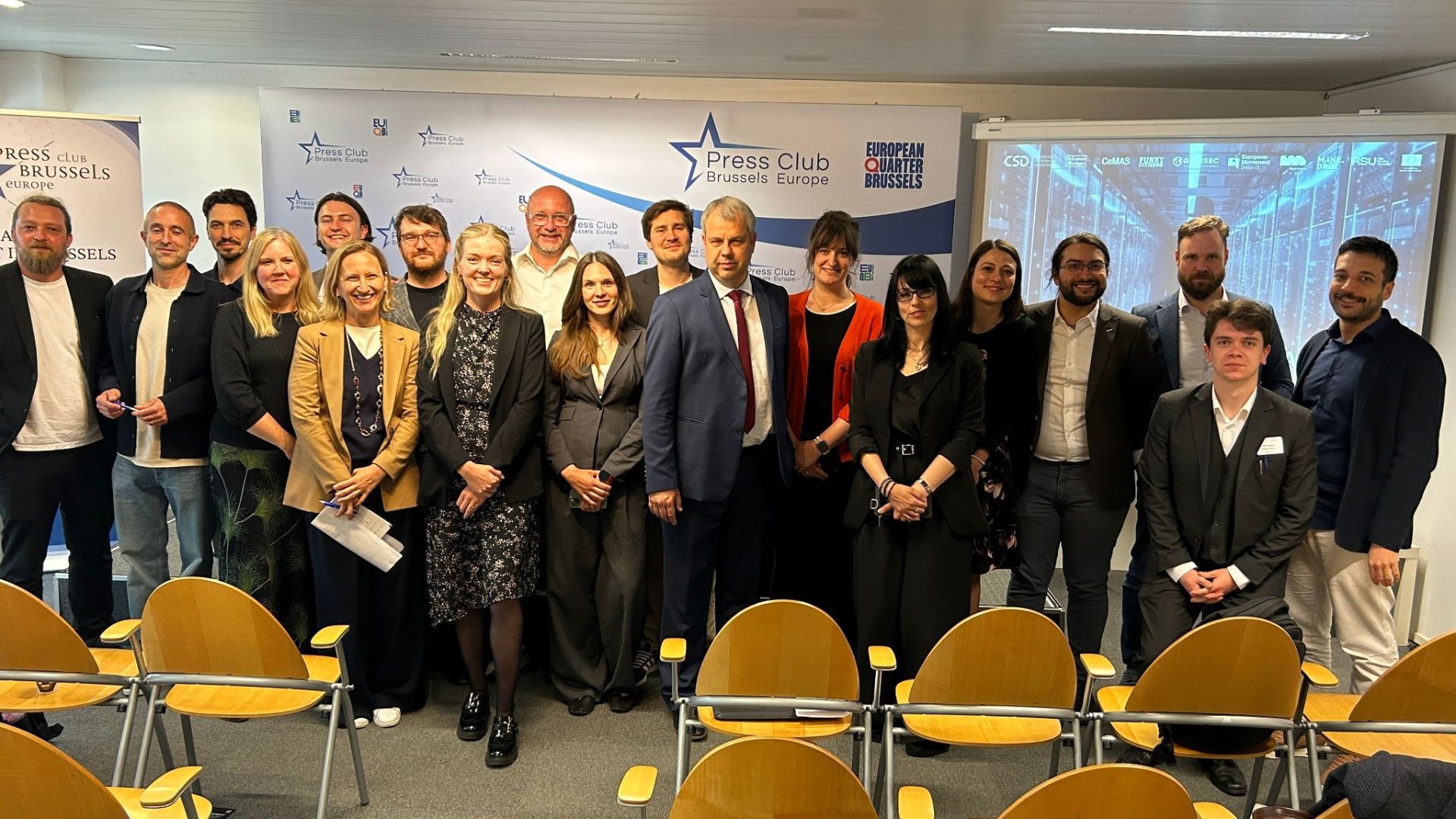
As part of the SHIFT project, CSD and our partners hosted a full day of discussions in Brussels under the theme “From Detection to Response: Building Europe’s Next Layer of Cognitive Resilience”. It brought together researchers, policymakers, civic tech actors and practitioners for a full‑day discussion on what real societal response capacity looks like in the age of AI.
The debate underscored a central point: detection is not resilience. Exposing a deepfake or debunking a narrative does not reduce its impact. The real challenge lies in understanding how information pressure shapes trust, belief formation and civic confidence, and how Europe can respond where people actually form opinions.
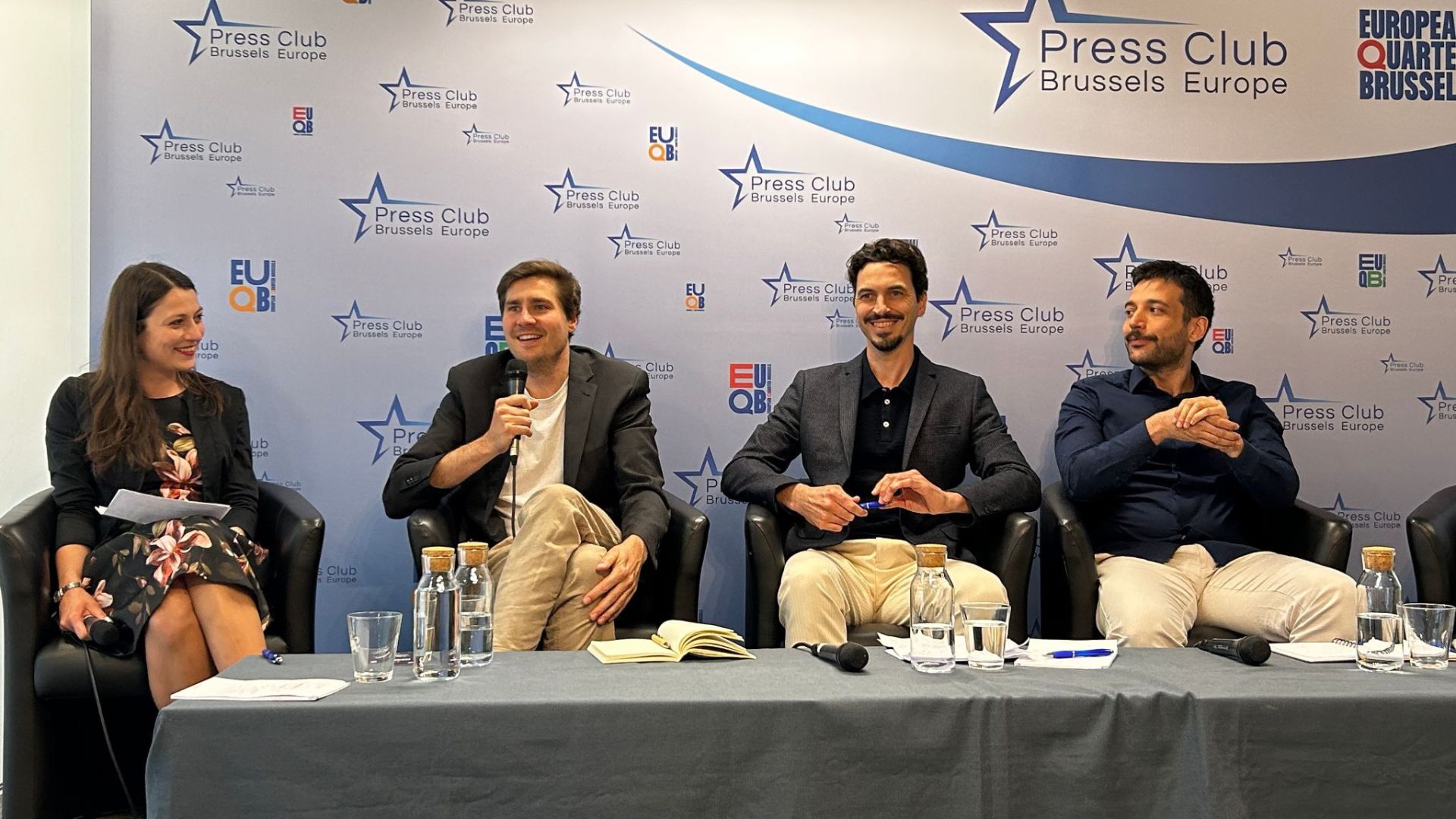
Hendrik Nahr, Head of European Affairs at Make.org, joined Emmanuel Vincent (Executive Director, ScienceFeedback) and Mahmoud Bastati (Digital Participation Expert, BuildUp^) on the panel on Civic Tech for Societal Resilience, moderated by Paula Gori (Secretary General of EDMO). The session explored how tools, platforms and networks can help democratic actors respond faster and smarter to disinformation, especially as information flows increasingly depend on complex human–AI interactions. Each panelist offered a different perspective on how civic tech, media networks and participation platforms can turn evidence into practical capacity for civil society, journalism and public institutions.
Several themes stood out throughout the day:
🔸 Reach is not impact — Europe needs better tools to understand how influence campaigns shape attitudes and cohesion.
🔸 Meet audiences where they are — with the right messengers, channels and formats, especially for younger groups.
🔸 Civic tech must be connective tissue, linking research, policy, fact‑checking and community actors.
🔸 Resilience is built among people, not only in institutions.
The discussions made clear why SHIFT matters and why Europe must accelerate its move from detection to response.